What Your Teeth Know About Your Daily Habits
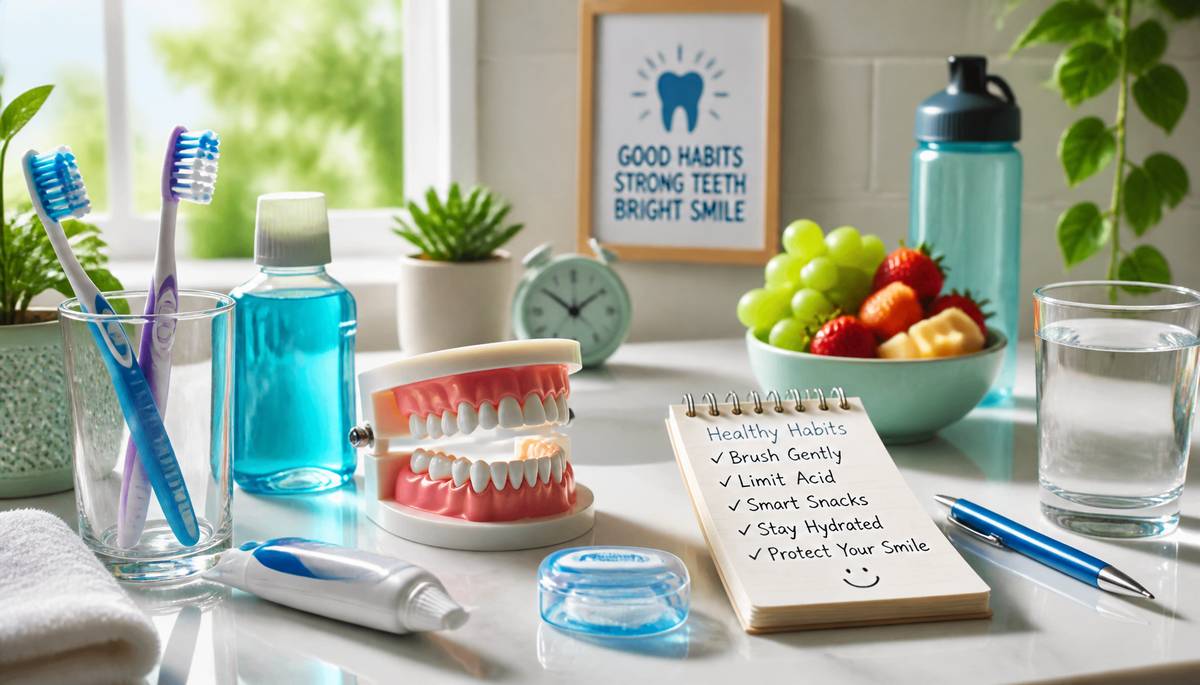 Your teeth have been quietly compiling evidence against you for years. Every nervous nibble, midnight snack and enthusiastically scrubbed molar leaves a potential clue. Unlike your browser history, however, this particular record cannot be deleted with a few clicks. Dentists can sometimes recognise patterns of behaviour simply by examining the condition of your teeth and gums, although these clues rarely tell the whole story.
From the way enamel wears down to the location of tiny chips, everyday habits can leave surprisingly distinctive marks. Some are harmless, while others gradually cause damage that becomes difficult or impossible to reverse.
When Your Teeth Work the Night Shift
Teeth grinding, medically known as bruxism, is particularly interesting because many people have no idea they do it. The activity often occurs during sleep, when the conscious mind has apparently delegated responsibility for dental maintenance to an enthusiastic demolition contractor.
Dentists may notice flattened chewing surfaces, small fractures, worn enamel or unusually prominent jaw muscles. Patients sometimes report morning headaches, sensitive teeth or aching around the jaw.
However, worn teeth do not automatically indicate current grinding. Damage may have accumulated years earlier, and similar patterns can result from other causes.
If grinding is suspected, a dentist may recommend a custom-made night guard to protect the teeth. Managing stress, reducing excessive caffeine consumption and addressing sleep problems may also help, depending on the underlying cause. Persistent jaw pain or frequent morning headaches deserve investigation rather than another packet of painkillers.
Acidic Drinks and the Slow Disappearance of Enamel
A person who regularly sips acidic drinks may develop smooth, rounded tooth surfaces, increased sensitivity or translucent edges on their front teeth. These changes can indicate dental erosion, where acids gradually dissolve the mineral structure of enamel.
Fizzy drinks are obvious suspects, but fruit juices, sports drinks, flavoured sparkling waters and even lemon-infused water can contribute. The problem is not necessarily how much someone drinks, but how frequently their teeth encounter acid.
Someone who finishes a soft drink with lunch may expose their teeth to acid for a relatively short period. Someone who spends three hours delicately sipping the same drink provides repeated opportunities for enamel erosion. Apparently, making a beverage last longer is not always an admirable economy.
Practical precautions include drinking acidic beverages alongside meals, rinsing with plain water afterwards and avoiding brushing immediately after significant acid exposure. Waiting approximately thirty to sixty minutes before brushing allows saliva time to help neutralise acids.
Nail Biting and Other Unofficial Uses for Teeth
Human teeth are excellent at biting food. They are considerably less suited to opening packaging, holding metal objects or performing emergency nail maintenance.
Persistent nail biting can contribute to small chips, uneven wear and occasionally irritation of the surrounding gums. Chewing pens, pencils or ice may produce similar damage, particularly when repeated over many years.
Dentists cannot reliably identify every habit from a particular chip, but repeated mechanical stress can leave recognisable patterns.
Breaking these habits often requires identifying their triggers. Keeping nails trimmed, using a harmless substitute for restless hands and recognising moments of anxiety or boredom can help. Teeth should ideally retire from their secondary careers as household tools.
When Brushing Becomes Too Much of a Good Thing
Brushing twice daily is essential, but some people approach the task with the enthusiasm of someone removing stubborn paint from garden furniture. Unfortunately, teeth and gums are considerably less forgiving than wooden fencing.
Aggressive brushing, particularly with a hard-bristled toothbrush, can contribute to gum recession and wear around the necks of teeth. Dentists may notice shallow grooves near the gumline, exposed root surfaces or areas of sensitivity when patients consume cold drinks.
These changes can have several causes, including acidic erosion and natural ageing, so brushing technique is only one possible explanation.
The solution is not to brush less frequently, but to brush more gently. A soft-bristled toothbrush, fluoride toothpaste and small circular movements are generally sufficient. Electric toothbrushes with pressure sensors can help people who habitually apply excessive force.
Remember that plaque is a soft bacterial film, not something requiring industrial-strength abrasion. Brushing harder does not necessarily mean brushing better.
The Snack That Keeps Coming Back
Frequent snacking can leave clues that are less immediately obvious than chipped enamel. Dentists may notice decay developing between teeth, around existing fillings or in grooves where food particles and plaque accumulate.
Every time someone consumes fermentable carbohydrates, including sugars and certain starches, bacteria in dental plaque produce acids. These acids temporarily lower the pH around teeth, encouraging mineral loss from enamel.
Saliva normally helps neutralise acids and restore minerals. However, someone who continually grazes throughout the day gives their mouth fewer opportunities to recover.
A biscuit at eleven, a handful of crackers at noon, a sweetened coffee at two and another biscuit at four might appear relatively innocent. Unfortunately, the bacteria responsible for tooth decay have no respect for portion control.
Eating snacks alongside regular meals, choosing water between meals and limiting frequent sugary drinks can reduce repeated acid attacks. Sugar-free chewing gum may also stimulate saliva production, although it cannot replace brushing and interdental cleaning.
Small Habits That Leave Lasting Impressions
Several less obvious behaviours can influence dental health. Habitual mouth breathing, for example, may contribute to a dry mouth, particularly during sleep. Reduced saliva can increase the risk of tooth decay because saliva plays an important protective role.
Similarly, regularly sucking acidic sweets, chewing ice or holding objects between the teeth can create problems that accumulate gradually. Even seemingly healthy routines, such as repeatedly sipping lemon water throughout the morning, deserve reconsideration.
One important distinction is that dentists cannot reliably reconstruct someone's lifestyle from dental appearances alone. Medical conditions, medications, genetics and previous dental treatment can produce similar findings. An examination provides clues rather than a definitive account of someone's habits.
Something to Chew Over
Most dental damage develops gradually, which makes it remarkably easy to overlook. Enamel does not contain nerves, so its deterioration may progress without immediate discomfort. Once significant enamel has been lost, the body cannot simply grow it back.
Checking for new sensitivity, rough edges, gum recession or changes in the appearance of teeth can help identify potential problems. Regular dental examinations offer another opportunity to recognise subtle changes before they require extensive treatment.
Ultimately, protecting teeth rarely demands dramatic lifestyle changes. Gentler brushing, fewer prolonged acid exposures, sensible snacking habits and abandoning the occasional attempt to open packaging with your incisors can make a meaningful difference.
Your teeth may not reveal every detail of your daily routine, but they certainly remember some of it. Giving them fewer reasons to complain is a worthwhile investment.
|
|
